



Redmond Commute Math: Picking a Home Base That Still Works in 18 Months
Commutes have a way of turning "perfect on paper" into "why did we do this?" faster than almost anything else. Redmond can feel deceptively close to everywhere in the Greater Puget Sound—until you're stuck watching the minutes tick by on SR-520 or I-405 and realizing your day has been silently re-budgeted. The good news is that commute planning isn't guesswork; it's math, pattern recognition, and a little lifestyle honesty. If you do it well, you don't just pick a house—you pick a weekly rhythm you can actually sustain.
Instead of chasing the shortest distance, start with the most reliable trip. In this region, five extra miles can be cheaper than one unpredictable interchange. Your goal is to minimize "variance," not just average time. That means paying attention to what creates spikes: bridge chokepoints, school drop-off corridors, major event traffic, and the days when weather or a single fender-bender turns a 25-minute drive into 55. When you evaluate neighborhoods, compare the commute you'd tolerate twice a day, not the best-case scenario you'll rarely get.

Step one: define your true commute budget. Many buyers say they can handle "about 30 minutes," but what they mean is 30 minutes on a calm Tuesday in April. A more useful metric is your weekly time cost: take the typical door-to-door commute, multiply by 10 trips, and ask whether that number fits your life. If 6–8 hours per week in the car (or on transit) would crowd out workouts, family dinners, or downtime, you'll feel it quickly. Also factor in the "setup time" for each mode—parking, walking, transfers, and the mental energy of unpredictability.
Step two: map your must-do stops. Work is only one node. Add childcare, a partner's workplace, medical appointments, grocery runs, and the places you actually go on weeknights. Sometimes the best home base is the one that shortens three medium trips rather than one long one. In Redmond's orbit, that often means weighing proximity to the bridge versus ease of moving north-south. If your life regularly crosses I-405, being "close" to Redmond but far from an on-ramp can quietly erode the advantage.
Step three: decide which commute pain you'd rather pay for—time, money, or space. Generally, the closer you get to Redmond's job centers and major routes, the more you may trade in lot size, newer construction, or quieter streets. If you push outward for more home, you often pay with longer drives and less flexibility for late meetings or evening activities. The "no regret" decision is rarely about minimizing any single cost; it's about choosing the trade-off that matches your priorities and the way you want to spend your weekdays.
Neighborhood Strategy: Choose Your Corridor Before You Choose Your House
Think in corridors, not city names. Two homes with the same mailing address can have wildly different daily flow depending on access to SR-520, I-405, or key arterials. A practical approach is to shortlist two or three commute-friendly zones, then compare home styles and pricing within each. This is where online search tools are especially useful: filter for what you need (school boundaries, bedroom count, yard, year built), then sanity-check the commute patterns across your shortlist rather than falling in love with a floor plan first.
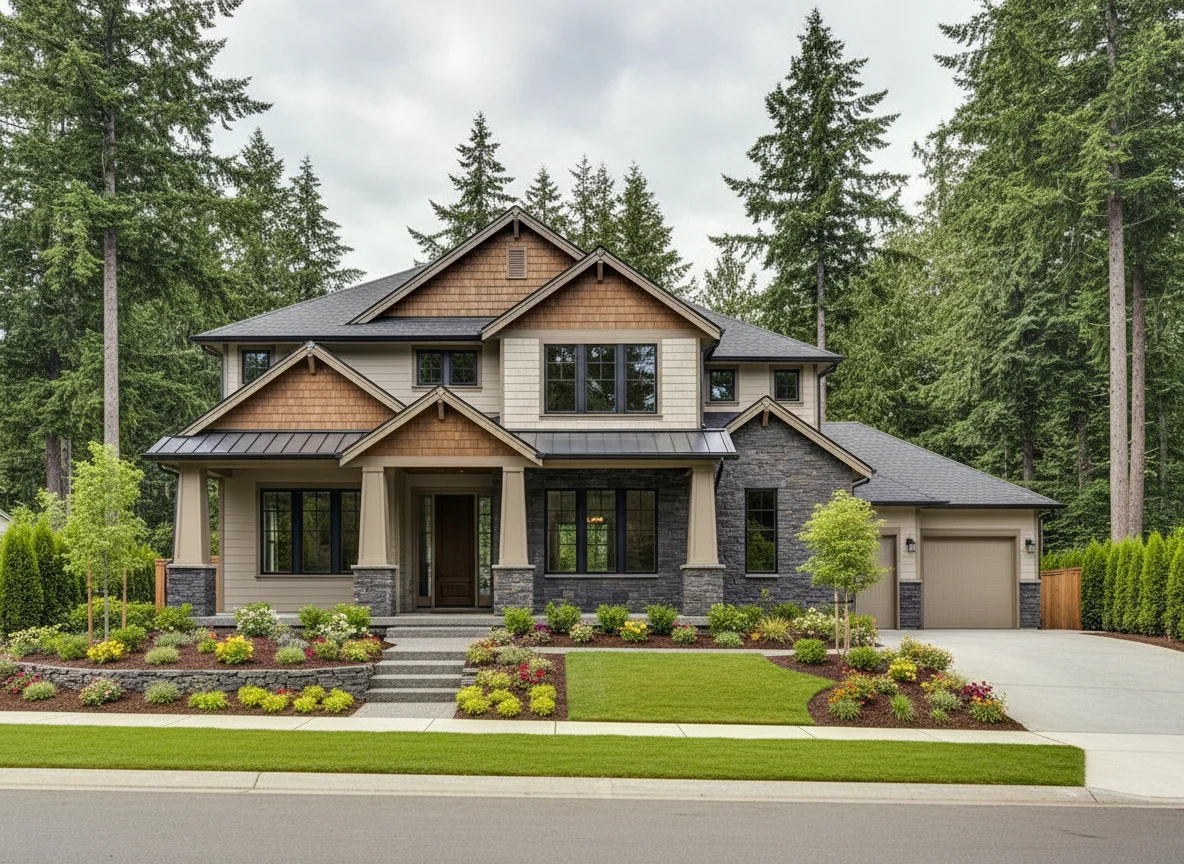
Redmond and close-in Eastside living typically appeals to buyers who value shorter trips, easier last-minute plans, and access to parks and trails without a long drive. The lifestyle tends to be "weeknight friendly": you can squeeze in a walk, make it to an evening practice, or meet friends without negotiating a long return route. Many families also focus on school fit and the everyday convenience of being near libraries, community centers, and sports fields. If you're balancing a busy schedule, those small wins add up.
Just outside the core, you may find more square footage, larger lots, or a different mix of housing—from newer developments to established neighborhoods with mature trees. The math here is about ramp proximity and timing: if you can hop onto a major route quickly, the commute can stay stable even if you're farther away. But if "five minutes to the freeway" is really fifteen with stoplights and school traffic, your day will feel longer than expected. Test it during typical peak windows before you decide it's "close enough."
Transit and flexibility deserve their own calculation. If you have a schedule that can shift earlier or later, you can "buy back" a lot of time without changing where you live. Remote or hybrid work also changes the equation: if you commute three days a week, you might accept a longer trip in exchange for a home that better fits hobbies, guests, or multigenerational needs. Just be honest about whether your work pattern is truly stable—or likely to change with a new role, a promotion, or company policy.
Lifestyle Check: Your Commute Should Support Your Evenings, Not Consume Them
Real estate decisions are rarely only about the morning drive; they're about what happens after you get home. If you love trail time, weekend markets, and quick access to recreation, pick a base that keeps you close to the outdoor network—think parks, riverfront paths, and easy drives to the foothills. If you prefer a social routine—meeting friends, grabbing a quick bite, attending community events—prioritize a neighborhood where you can reach gathering spots without a second "mini-commute" across town. The best home base makes your preferred lifestyle the default, not a special occasion.

Schools matter here too, and not only for families with kids. School calendars influence traffic patterns, neighborhood noise, and resale demand. Even if you're years away from needing a specific district, buying in an area with consistent demand can help protect flexibility later. Dining and daily conveniences also play a role—less because you need constant variety, and more because a reliable set of go-to options makes weeknights feel easier when work runs long.
Finally, keep one eye on the market reality. Homes that make commuting easier often retain demand because they reduce friction for a broad set of buyers. That doesn't mean you should chase hype; it means you should understand what you're paying for. When you compare options, look at the total package: price, condition, likely maintenance, and how the location supports your workdays and weekends. If you're selling, the same logic applies in reverse—positioning a home around commute convenience and lifestyle access can sharpen buyer interest.
A Simple "No-Regret" Checklist Before You Write an Offer
- Run the commute twice: one typical weekday morning and one evening, and note the variance.
- Count your weekly hours: door-to-door time × 10 trips (or your actual hybrid schedule).
- Stress-test the route: identify bridge, ramp, and school-zone chokepoints that create spikes.
- Map your real life: daycare/schools, partner commute, workouts, and weekly errands—not just work.
- Choose your trade-off: decide in advance whether you're prioritizing time, cost, or space.
When you want a second set of eyes on the numbers, Keller Williams Realty Eastside can help you compare neighborhoods with a practical lens—using online home search and valuation tools to keep the decision grounded in both lifestyle and market reality. The right home base isn't the one that wins a single commute on a perfect day; it's the one that keeps your weeks feeling balanced, even when traffic doesn't cooperate.